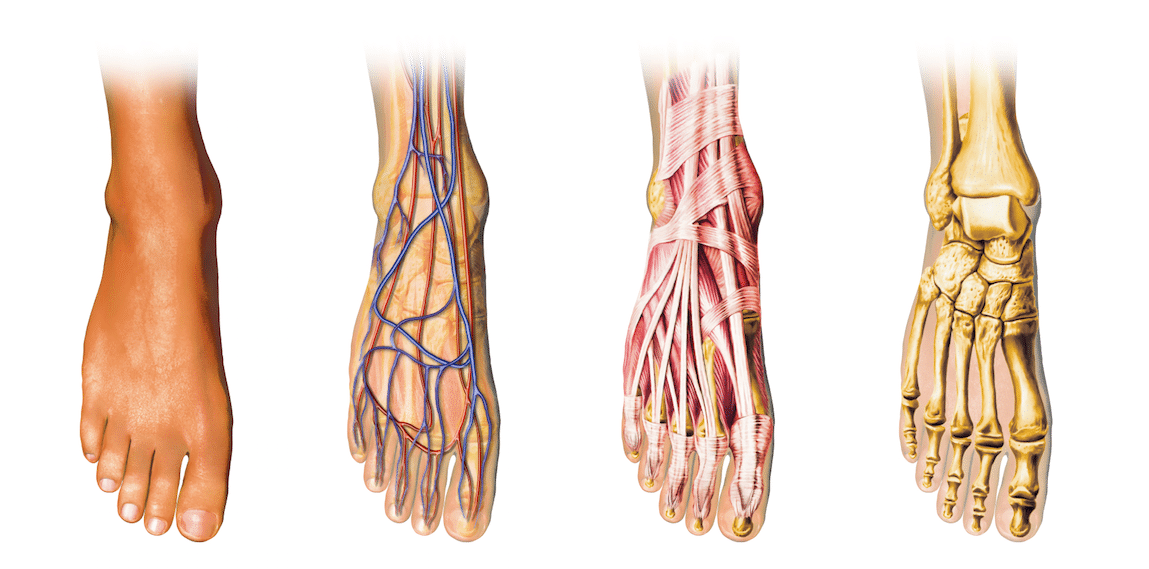
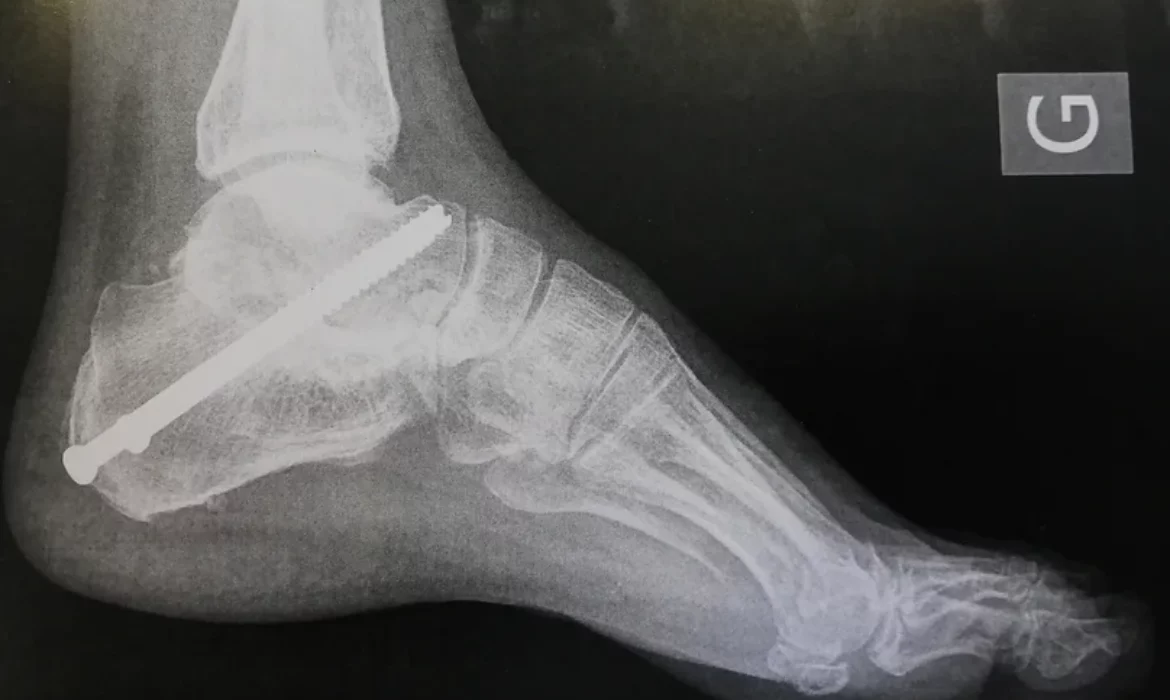
The foot and ankle are complex structures that play a vital role in balance, movement, and weight-bearing. Together, they support the body’s entire weight and allow for essential functions such as walking, running, jumping, and pivoting. Understanding the anatomy and physiology of the foot and ankle is crucial to appreciating how various pathologies can develop and affect everyday life.
Anatomy of the Foot and Ankle
The foot is composed of 26 bones, forming three main regions: the forefoot, midfoot, and hindfoot. The forefoot consists of the phalanges (toes) and the metatarsals, which are the long bones connecting the toes to the midfoot. The midfoot includes the navicular, cuboid, and cuneiform bones, forming the foot’s arch. The hindfoot comprises the talus and calcaneus (heel bone), providing the connection between the foot and the ankle.
The ankle joint, also known as the talocrural joint, connects the leg to the foot and consists of three bones: the tibia, fibula, and talus. This joint allows for plantarflexion (pointing the foot downward) and dorsiflexion (bringing the foot upward). Below the ankle, the subtalar joint (between the talus and calcaneus) enables inversion and eversion, which help the foot adapt to uneven surfaces.
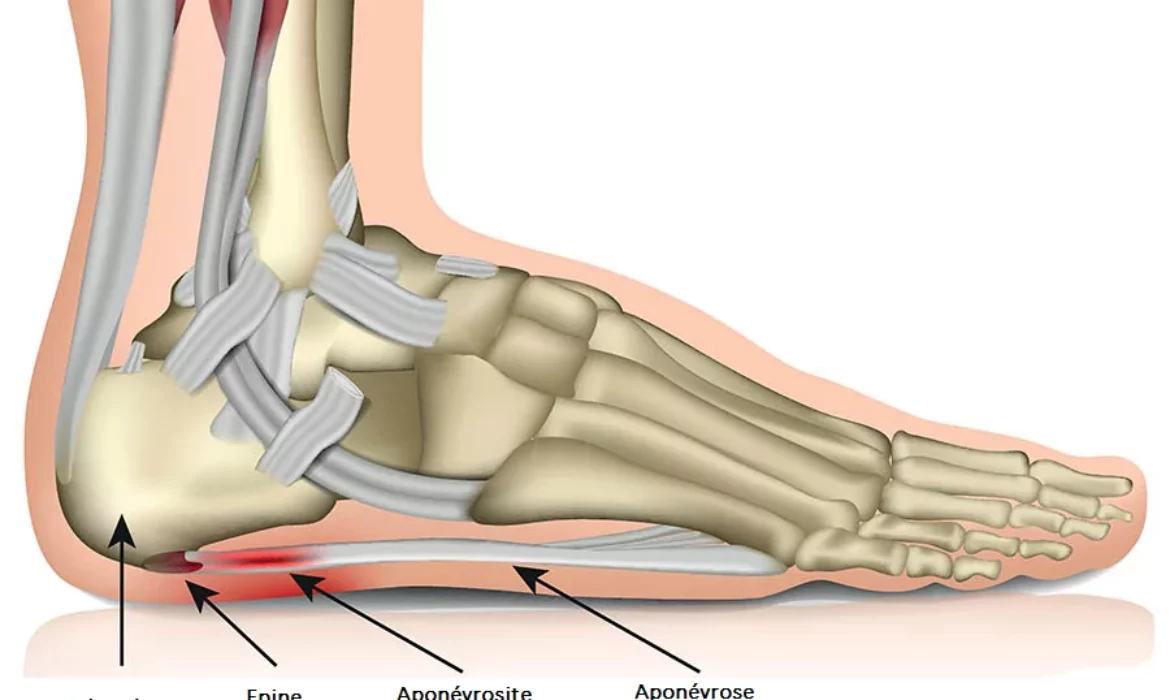
The foot and ankle are supported by a network of ligaments, tendons, muscles, and soft tissues. Key tendons, such as the Achilles tendon, attach the calf muscles to the heel and facilitate movements like walking, running, and jumping. Several intrinsic muscles within the foot assist in balance and movement of the toes. The plantar fascia, a thick band of tissue on the sole of the foot, also plays a crucial role in maintaining the arch of the foot and absorbing shock during movement.
Physiology of the Foot and Ankle
The foot’s arches – medial, lateral, and transverse – are integral to its function. These arches provide elasticity, flexibility, and strength, enabling the foot to act as both a rigid lever for propulsion and a flexible shock absorber during movement. The coordinated actions of the muscles, tendons, and ligaments ensure stability and mobility while distributing the body’s weight evenly across the foot during standing and movement.
The ankle is a hinge joint that supports dynamic activities such as walking, running, and jumping, facilitating both forward motion and lateral stability. The foot and ankle function as a synchronized system to maintain balance and adaptability to various terrains and movements.
Common Pathologies of the Foot and Ankle
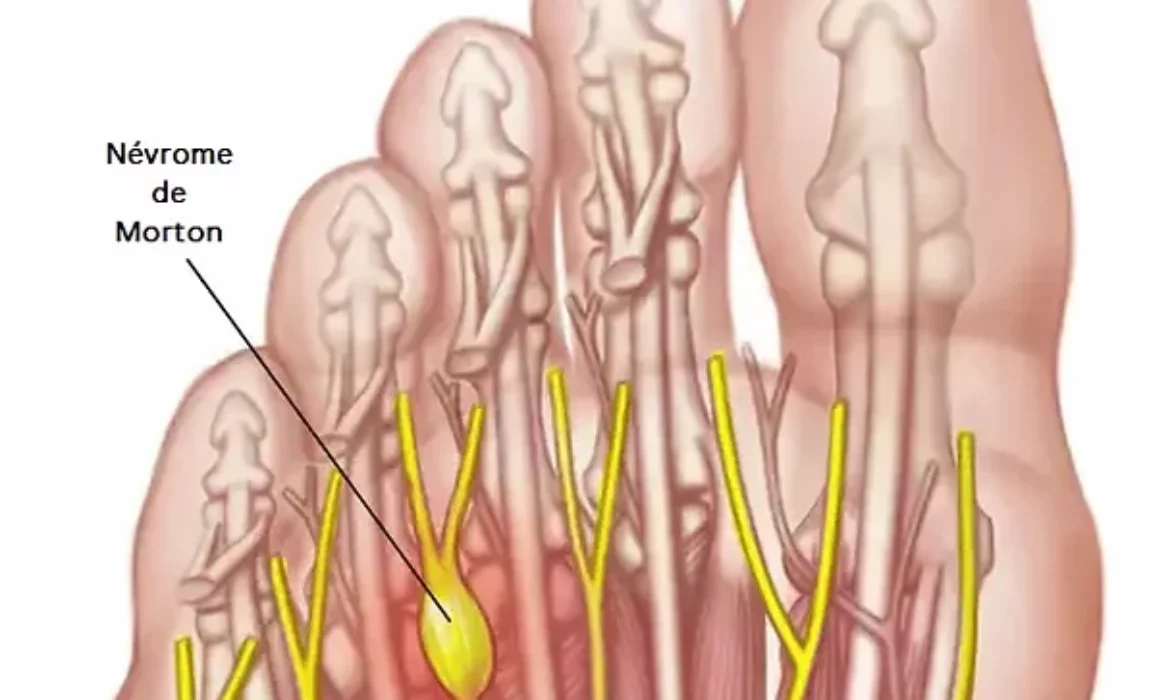
Given the foot and ankle’s complex structure and the stress they endure, they are prone to various injuries and degenerative conditions. Some common pathologies include:
Ankle Sprains: One of the most frequent sports injuries, ankle sprains occur when the ligaments supporting the ankle joint are overstretched or torn, usually due to twisting or rolling the ankle. These injuries range from mild (ligament stretching) to severe (complete tears) and can lead to chronic instability if not properly treated.
Plantar Fasciitis: This condition involves inflammation of the plantar fascia, causing heel pain, particularly in the morning or after prolonged periods of standing. It often results from overuse, flat feet, or improper footwear, and can significantly affect daily activities.
Achilles Tendonitis: Inflammation or degeneration of the Achilles tendon, often due to overuse or sudden increases in physical activity. Achilles tendonitis causes pain and stiffness along the back of the ankle, and in severe cases, can lead to tendon rupture, requiring surgical intervention.
Flat Feet (Pes Planus): Flat feet occur when the arches of the foot collapse, causing the entire sole to make contact with the ground. This can lead to pain, fatigue, and difficulty in walking or running, as well as predisposition to other pathologies like plantar fasciitis or ankle instability.
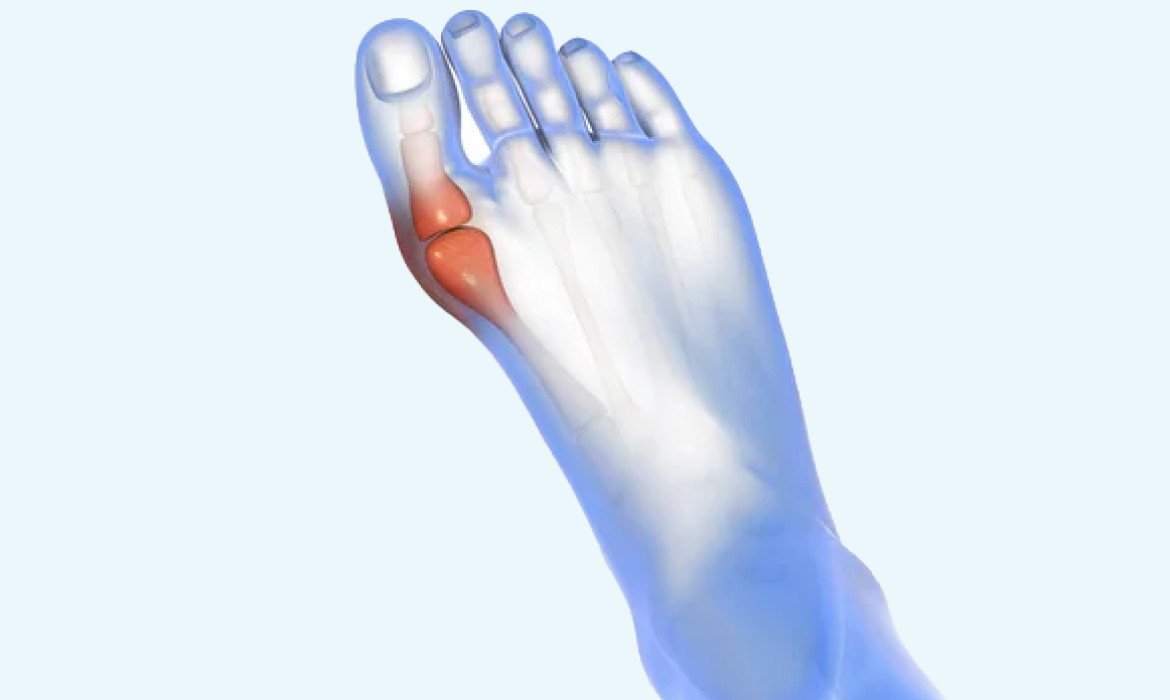
Bunions (Hallux Valgus): A bunion is a deformity characterized by the misalignment of the big toe, which pushes against the adjacent toe, causing a bony bump on the side of the foot. This condition is often hereditary but can be exacerbated by tight or high-heeled shoes. Bunions can cause pain, swelling, and difficulty wearing certain footwear.
Osteoarthritis: The wear and tear of the cartilage in the foot and ankle joints can lead to osteoarthritis, causing pain, stiffness, and reduced mobility. This degenerative condition is common in older adults and can be aggravated by prior injuries or excessive strain on the joints.
Stress Fractures: Repeated stress and overuse can cause small cracks in the bones of the foot, known as stress fractures. These are common in athletes and individuals who engage in high-impact activities, leading to pain that worsens with activity and improves with rest.
Tarsal Tunnel Syndrome: This condition occurs when the posterior tibial nerve, located near the ankle, becomes compressed, leading to pain, tingling, or numbness in the foot. It is similar to carpal tunnel syndrome in the wrist and often requires surgical intervention if conservative treatments fail.
Interventions :
Here are the most frequently performed surgeries by our team on this joint: